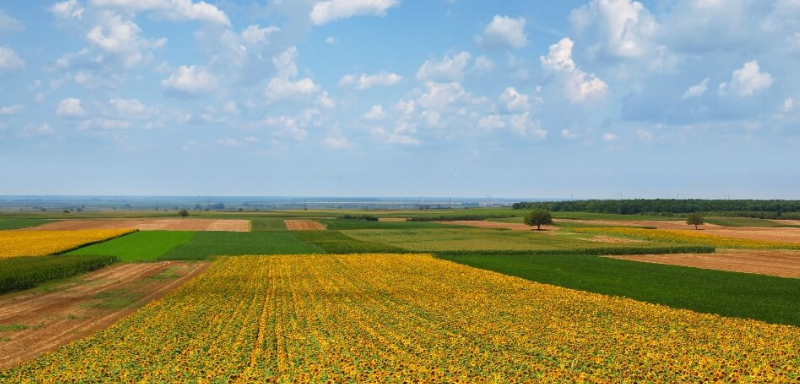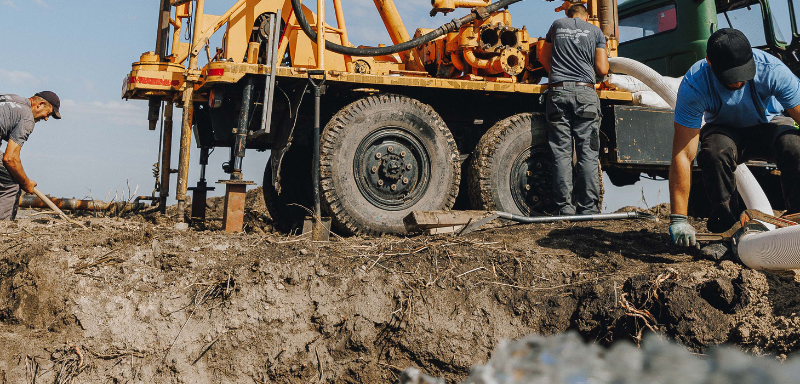

A well is a structure or installation used to extract groundwater. This system usually includes boreholes that penetrate underground aquifers to access the water. The groundwater is then brought to the surface using various techniques and equipment, such as pumps or gravity, for use in a range of purposes, such as irrigation, household water supply or industrial use. Wells can be simple or complex structures, tailored to the specific needs and conditions of each area or project.
Water wells will become more and more expensive
In today’s world, where natural resources are gradually being depleted, wells are becoming a key source of wealth, and their value is constantly rising. Thinking about the future, we realise that drilling deep wells for irrigation will become increasingly expensive and difficult. While the cost of extracting a litre of water is relatively low today, the question is how we will secure access to this vital resource in the future, when the price of water will be considerably higher.
Drilling deep wells for irrigation is not only a technical challenge but also an economic one. Today, technological progress makes drilling and finding water cheaper. The development of new drilling techniques, as well as the use of advanced technologies for locating underground aquifers, allows us to use the resources we have more efficiently. However, even with all these advances, drilling deep wells requires significant investment.
While we can currently access water at shallower depths, this picture will change considerably in the future. The depletion of surface water sources and the deepening of aquifers mean that future generations will have to drill deeper and more expensive wells to secure access to water. Limited natural resources and increased demand for water due to the growth of the world’s population will only make this problem worse.
That is why it is important to make an effort now to use and conserve water resources efficiently. This includes investing in technologies that allow water to be used more efficiently in agriculture, industry and households. By reducing water losses through a combination of professionally drilled wells, better irrigation systems and water resource management, significant savings can be achieved and the service life of wells can be extended.
Ultimately, the future of wells and access to water requires careful planning and decisive action now. While we still have access to relatively cheap resources, we should make an effort to conserve and use water efficiently. Otherwise, we will face growing challenges and costs in securing this basic resource for future generations.
Why will water become less available and deep well drilling more and more necessary?
1. Pumping of surface water: Increased demand for water and industrialisation lead to greater exploitation of surface water, which reduces available supplies and drives the search for alternative sources, such as deep wells.
2. Limited natural resources: Water is a limited natural resource and, although it is present on Earth, only a small part of it is suitable for use. The scarcity of this resource and increased demand contribute to rising costs and more difficult access to water in the future.
3. Climate change: Climate change is expected to lead to more extreme weather conditions, such as longer droughts and more intense rainfall, which will reduce the availability and predictability of water resources.
4. Falling groundwater levels: Intensive exploitation of groundwater can lead to its depletion, which will make drilling deep wells necessary.
5. Urbanisation: Rapidly growing urbanisation requires larger amounts of water for households, industry and municipal systems, which increases demand and competition for the available resources.
6. Increased demand for irrigation: As the world’s population grows and agricultural production needs to increase, the demand for irrigation water will rise, putting additional pressure on existing water resources.
One of the key factors that makes efficient irrigation well drilling possible today is the use of modern equipment and technology. The development of drilling machines, geological survey probes and other tools allows us to locate underground aquifers more precisely and drill them more efficiently.
The use of specialised, modern machines allows precise drilling to a specific depth and in specific geological formations. These machines use rotary drill heads or hydraulic systems to penetrate different types of soil.
In addition, geological surveys are carried out using advanced probes and sensors that allow detailed mapping of underground structures and an estimate of the amount of water that can be expected at a given location. This allows better planning of well drilling locations, reduces the risk of unsuccessful boreholes and helps optimise costs.
Combined with precise geological analysis, modern equipment allows us to use resources more efficiently and reduce the cost of drilling irrigation wells.
Faced with the challenges of growing demand for water and limited resources, it is important to engage experts so that we can manage this vital resource efficiently. The use of modern equipment and technology allows us to access groundwater efficiently, but this requires expertise and experience in the field.
We invite anyone interested to contact us to arrange the drilling of an irrigation well. Our team of experts at Natur Aqua is ready to provide the necessary support and advice so that together we can secure stable access to water, both today and in the future.
We use state-of-the-art equipment which, combined with many years of experience, guarantees a job well done.
Investing in well drilling is not only an investment in your own future, but also in the future of the generations to come.
Don’t wait for water shortage problems to get worse. Now is the right time to take steps towards sustainable water resource management. Contact us today and together we will work on securing a stable and safe water supply for everyone.